Spring Canola Growth in North Dakota: Climate & Remote Sensing Applications for Brassica napus
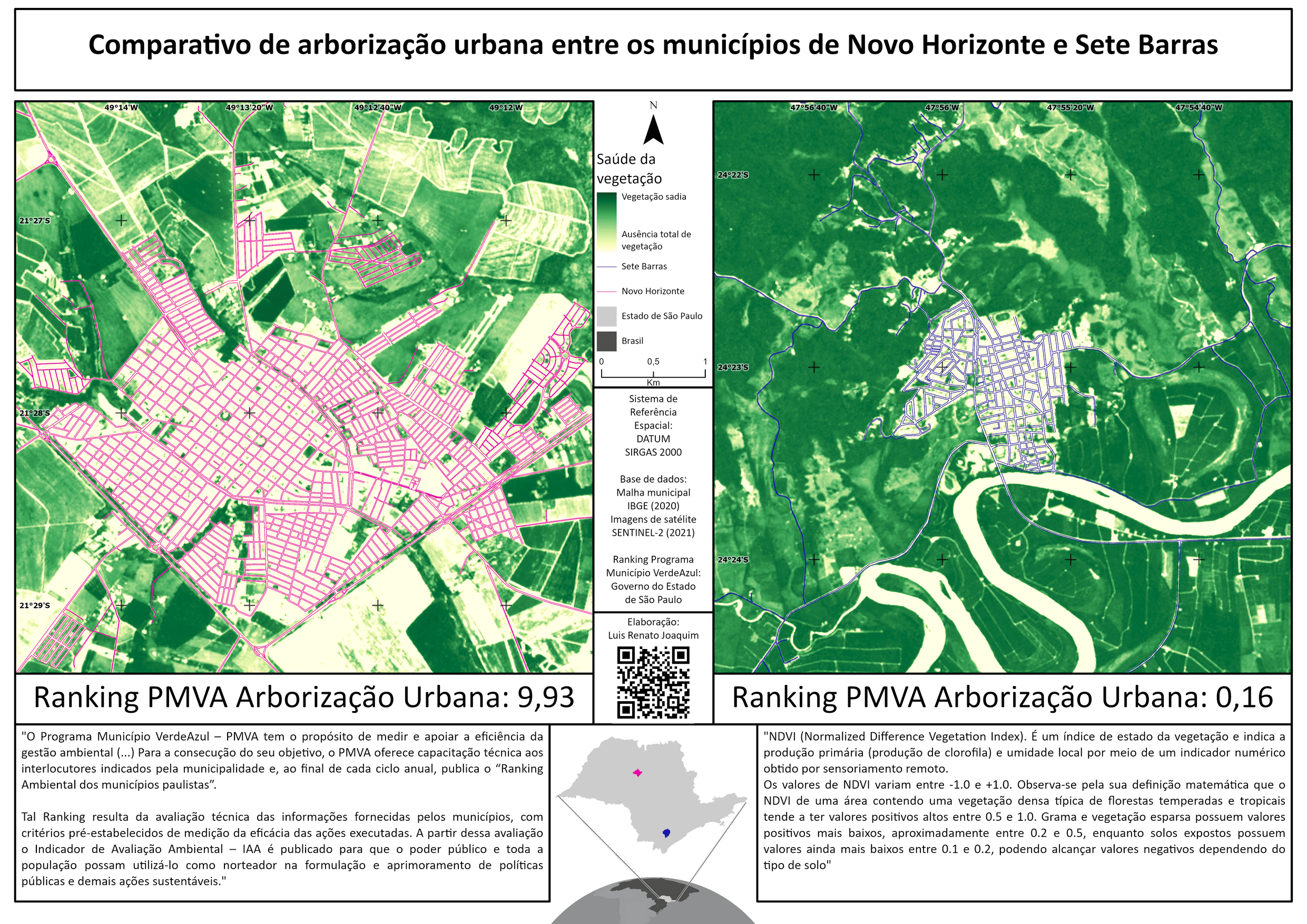
[Full StoryMap Link] Canola growers rely on consistent flowering dates to accurately predict harvest models; conditions that unexpectedly advance or delay these dates have significant market implications. When canola crops flower, they turn bright yellow. This change in "yellowness" is quantified via two spectral indices (Canola Flower Index and NDVI) using 3m Planet surface reflectance imagery from July 13, 2017, and July 13, 2019.
Before being analyzed in ENVI, the study area is cross-referenced with the annual "Cropland Data Layer" published in ArcGIS by the National Agricultural Statistics Service, which is used as a vector mask. Ultimately, the Canola Flower Index image differencing performed much better than its NDVI counterpart because yellow flowers contribute red light (yellow = green + red), which reduces NDVI values (Behrens et al. 2006 | Piekarczyk 2011) and decreases its utility in mapping variability in biomass or yield potential.