This map series was developed to analyze spatial and temporal patterns in Emergency Medical Service (EMS) calls across multiple service zones from 2023 to 2025. The goal of this project was to identify trends in call volume, highlight geographic concentrations of incidents, and support data-driven decision-making for resource allocation and emergency response planning.
The workflow began with collecting and organizing EMS call data by year, ensuring consistency in location accuracy and attribute structure. Data cleaning included removing duplicates, verifying coordinate integrity, and standardizing incident classifications. Each dataset was then filtered by year to create a comparable time series.
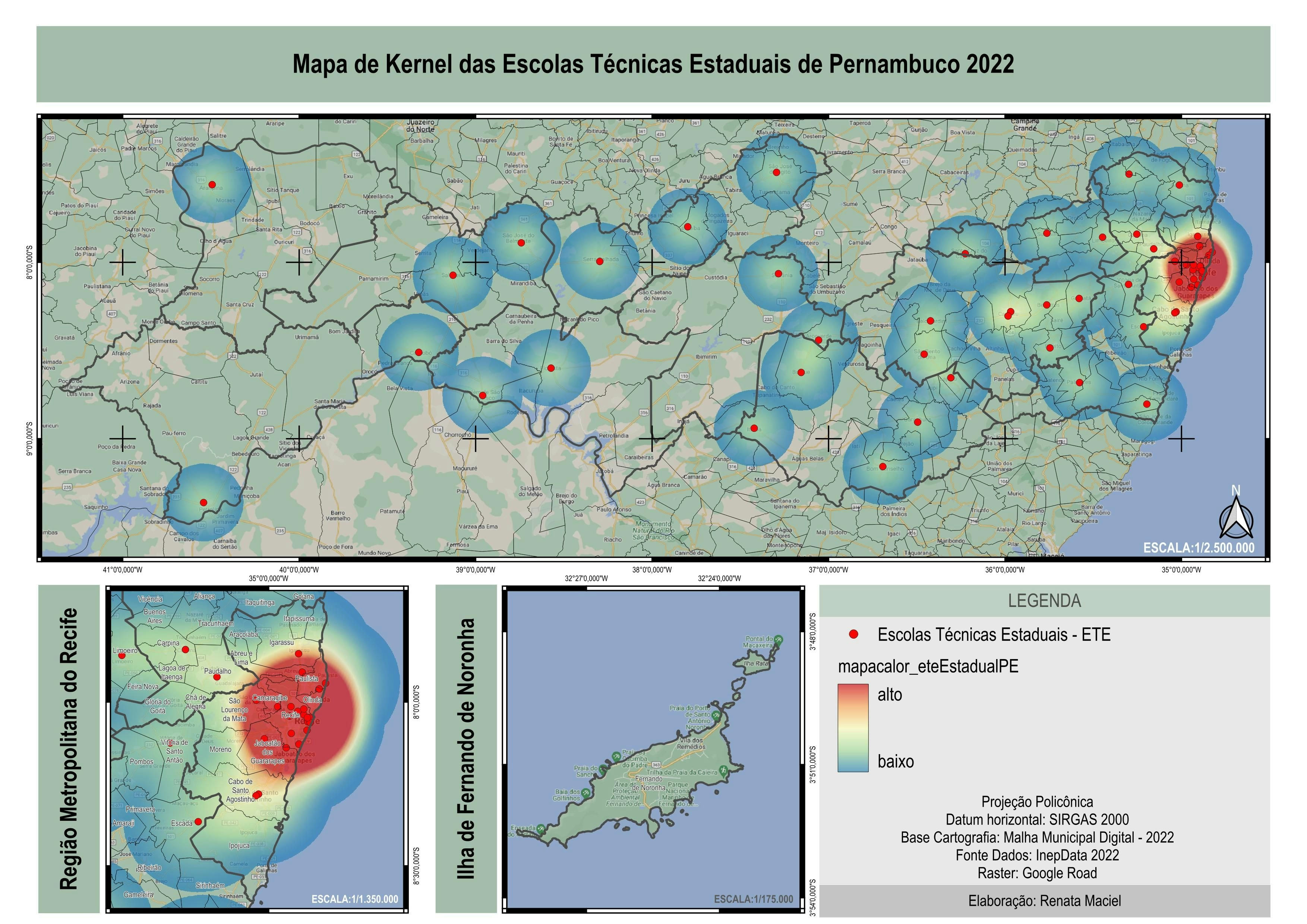
Using ArcGIS Pro, spatial analysis techniques were applied to visualize call density and distribution. Point data representing individual EMS calls were symbolized using a heat map-style clustering approach to emphasize high-frequency areas. Service boundaries were overlaid and color-coded to distinguish coverage zones, allowing for clear comparison between regions. Key areas, such as high-call corridors and recurring hotspots, were visually emphasized to guide interpretation.
To enhance readability and visual hierarchy, careful design choices were made, including a muted base map, consistent color palettes, and clear labeling of service areas. Each map panel represents a single year, with call totals and year-over-year changes annotated to provide immediate context. This layout allows for quick visual comparison and trend identification across the three-year period.
The final output reveals both stable and shifting patterns in EMS demand. Certain zones consistently show higher call densities, while others demonstrate noticeable increases or decreases over time. These insights can inform staffing strategies, station placement, and targeted community interventions.
Overall, this project combines spatial analysis with intentional cartographic design to transform raw emergency response data into a clear, actionable visual narrative.